Darknet Markets 2026:
The dark web is part of the deep web but is built on darknets: overlay networks that sit on the internet but which can't be accessed without special tools or software like Tor. Tor is an anonymizing software tool that stands for The Onion Router — you can use the Tor network via Tor Browser.
| Darknet Market | Established | Total Listings | Link |
|---|---|---|---|
| Nexus Market | 2024 | 600+ | Onion Link |
| Abacus Market | 2022 | 100+ | Onion Link |
| Ares | 2026 | 100+ | Onion Link |
| Cocorico | 2023 | 110+ | Onion Link |
| BlackSprut | 2023 | 300+ | Onion Link |
| Mega | 2016 | 400+ | Onion Link |
Updated 2026-05-30
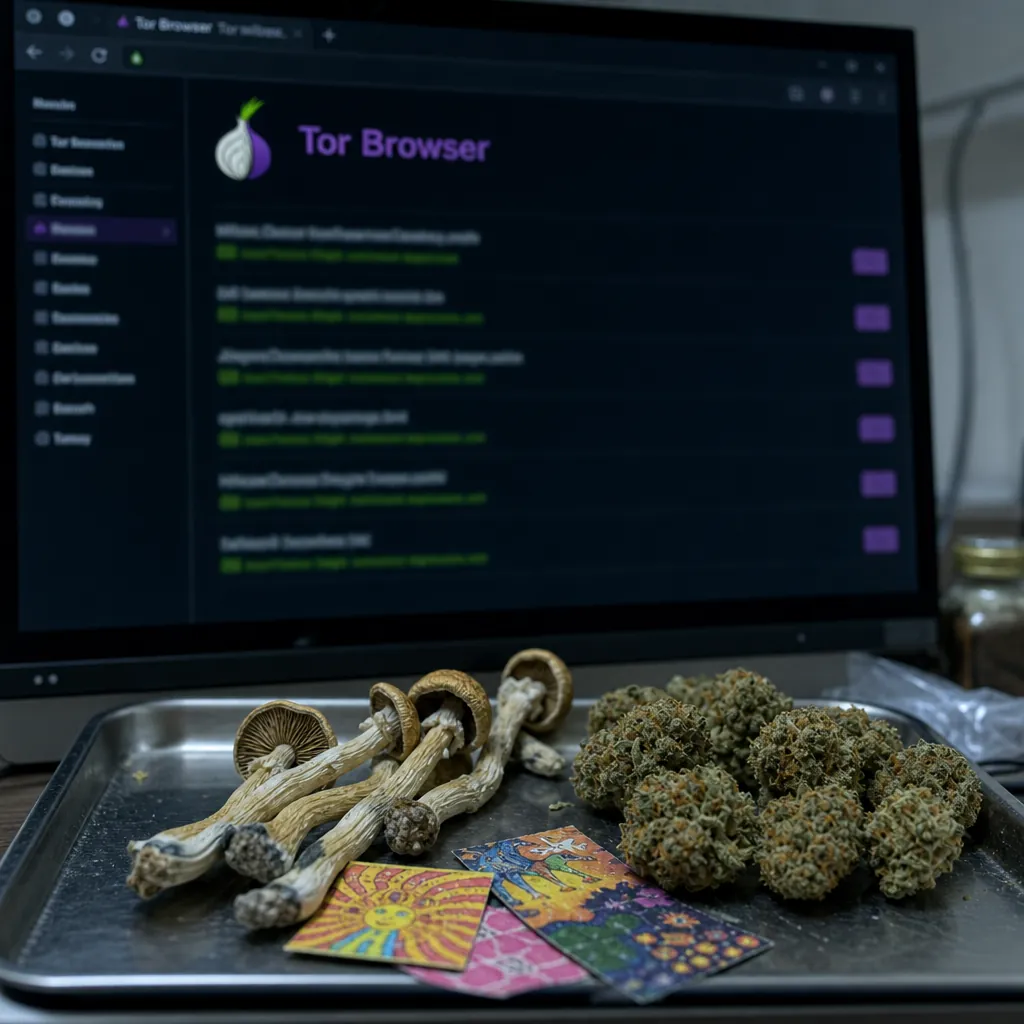
Darknet Resellers Skip Premium Cannabis Foils
flip flower: a reseller model where vendors purchase bulk cannabis from cultivators and immediately list it at markup. A 95 transfer cleared at 03:14 UTC on the darknet ledger, triggering a shipping notification for three ounces of Northwest strain. The banner image displays premium buds. The actual shipment arrives in flat silver mylar. Most dark web sites tout premium genetics yet package everything in cheap plastic sleeves. Buyers rarely notice the discrepancy until they crack open the mailer.
Inventory turnover rates explain the aesthetic gap completely. Resellers on Abacus typically restock every forty-eight hours to maintain search ranking algorithms. They grab wholesale batches, apply a standard thirty percent margin, and push the product through checkout pipelines before harvest cycles shift. This rapid rotation means vendors don't waste budget on custom foil pouches or humidity packs while maintaining consistent profit margins across every major platform during peak hours. The mylar seals hold moisture adequately for domestic routes while international shipments rely on vacuum compression instead of decorative wrapping. Dark web sites prioritize velocity over presentation because fresh stock moves faster than curated unboxing experiences ever could. They won't wait for premium wraps anyway.
Access has become surprisingly low friction across these platforms. A mobile user taps two buttons to filter by weight, adds the cart item, and watches the digital balance drop instantly without typing a single password or scanning a QR code.
The product mix reflects this operational speed perfectly. Cannabis flower shares shelf space with psilocybin truffles and salvia divinorum extracts, all shipped in identical polyethylene sleeves. Vendors group disparate botanicals to maximize average order value without complicating logistics. A single profile might list ten cannabis strains alongside sixty squares of LSD blotter, each rated by buyer feedback scores rather than terpene profiles. The banner ads flash neon gradients masking the actual genetics inside the bags. Customers buy based on seller reputation metrics instead of botanical certainty. (Buyers rarely check the botanical certificates anyway.) Discreet packaging is the default option across every major storefront. Standard mailers measure four by six inches and slip easily into apartment mailboxes without tearing.
Nexus tracks ninety-two percent intact deliveries during Q3. When customers peel back the silver seal, they find tightly trimmed buds resting on a single layer of parchment paper. One vendors checkout page currently displays a live counter: 147 grams reserved for immediate pickup in Seattle.
Cheap Mylar Bags Drive Darknet Cannabis Sales
Roughly 12 to 18 per gram dominates the price bands on major dark web sites, yet the visual presentation rarely matches the premium branding claims. Most banners advertise rare genetics or lab-tested potency, but the actual product ships in generic ziplock-style mylar bags that don't scream luxury. This mismatch signals a distinct layer of commerce where vendors aren't growing their own harvest; they're resellers flipping cannabis flower sourced from bulk distributors. The packaging costs pennies, and the turnover rate forces efficiency over aesthetics.
Why do listings on these dark web sites feature artisanal labels when the contents arrive in factory-sealed foil? Buyers accept the discrepancy because convenience outweighs presentation; a few clicks on a mobile-friendly interface and the order lands within 48 hours for US-domestic shipping only. The UX has matured so much that checking strain details feels as simple as ordering groceries, even if the jar looks like it came from a wholesale warehouse.
On platforms like Mega and Hydra, darknet inventory moves rapidly across categories. A reseller might list premium buds one morning and clear the stock by evening, replacing it with kratom powder or pink pressed pills of 2C-B as demand shifts. The cheap mylar serves a functional purpose too; it keeps moisture out during fast delivery windows while keeping overhead low enough to sustain aggressive pricing strategies across thousands of active listings.
A vendor banner claiming "Purple Haze" usually contains standard indica hybrids packaged in unbranded foil. The flip flower sellers prioritize volume over variety; they source large batches of cannabis flower, break them down into gram packs, and list everything within hours. This model thrives because the barrier to entry is low, allowing newcomers to launch storefronts without growing equipment or curing rooms.
The visual noise of vendor banners masks the reality of a logistics chain built on speed. Resellers scan market trends, adjust prices dynamically, and ship orders before the ink dries on their listings. One popular storefront recently posted 400 new cannabis flower SKUs in a single afternoon, all wrapped in identical mylar bags with handwritten strain names scrawled across the front.
Darknet Vendors Rapidly Flip Cannabis Inventory
9-14 per gram is the standard floor for domestic drops across most dark web sites. Vendors don't grind their own harvest; they simply scoop bulk flower from wholesale racks and slap it into cheap mylar bags. The packaging stays uniform, but the turnover rate doesn't lie. Listings appear at dawn, vanish by noon, and reupload with slightly altered strain names by evening. This rapid cycling suggests a fleet of flip sellers rather than boutique growers.
Buyers navigate the darknet without needing a degree in botany. A few taps on a mobile interface pull up inventory that ships within forty-eight hours. The checkout process relies on multisig escrow, which keeps funds safe until the courier drops the package at the doorstep. Abacus and Ares handle thousands of these transactions daily without breaking stride. Resellers don't wait for demand to spike; they rotate stock early.
Vendor banners often advertise rare genetics, but the actual product sits in plain sight behind generic branding. The visual marketing masks a straightforward arbitrage model. Restock cycles align with weekday morning UTC drops, creating predictable windows for buyers to snag fresh batches. Some listings cross over into adjacent categories; youll find psilocybin truffles sharing shelf space alongside dense cannabis buds. Mirror lists pinned every forty-eight hours keep these hybrid inventories visible across multiple storefronts.
Tracking numbers update within six hours of dispatch, giving purchasers a steady stream of logistics data. Finalize-early scams pop up occasionally when vendors close escrow before the item clears customs, but most transactions settle cleanly. Buyers verify vendor keys via PGP signatures before finalizing cart strategies, splitting orders across three or four separate shops to mitigate delivery risk on the darknet. The behavioral pattern shifts from hoarding to just-in-time purchasing.
A typical Thursday evening snapshot shows seventeen active listings for a single hybrid strain on dark web sites. Each bag weighs exactly thirty-five grams. The seller notes match the previous weeks batch, down to the humidity sticker placement. Inventory moves out by midnight.
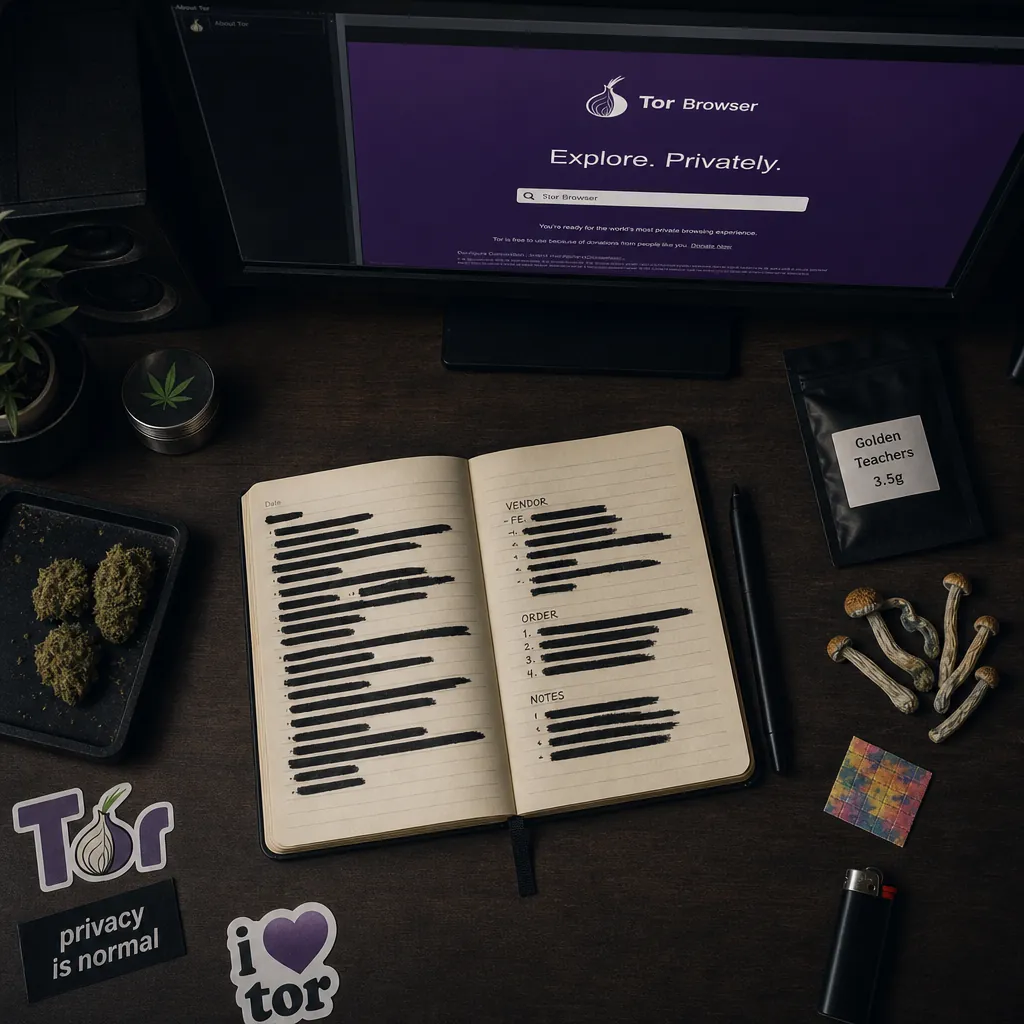
Darknet Banners Mask Actual Cannabis Stock
"Premium Buds Only! Top Shelf Strains Guaranteed." screams the banner image of a fresh storefront on one of the newer dark web sites. The graphics look crisp, almost like a dispensary menu from Colorado. But zoom in past the neon green text and the cartoon weed leaf, and the reality shifts fast. Most listings here don't ship straight from a grow tent. They're flip flower sellers moving inventory through cheap mylar bags. You see the same vendor pop up with three different strain names over a week, yet the product photo stays identical. It's just resellers playing whack-a-mole with supply gaps.
Check the banners across platforms like Cocorico and Blacksprut, and you'll spot a pattern. Vendors treat their storefronts like digital billboards rather than product catalogs. A banner might advertise "Gelato 41," but the actual listing description lists generic indica-dominant flower. The disconnect is intentional; flashy ads grab clicks in crowded marketplaces where attention spans are short. Buyers scroll past dozens of shops before landing on one that looks legit. That visual polish sells, even if the bag inside contains whatever bulk trim the reseller grabbed last night. With mobile-friendly layouts and one-click carts, getting hold of flower has become surprisingly low-friction; you don't need specialist knowledge to navigate the checkout.
It's not just cannabis getting masked by aggressive branding. Shelves on these dark web sites often mix flower with other heavy hitters. You might find a vendor selling "Purple Haze" right next to S-ketamine crystals or red vein kratom powder. The banner art usually ties everything together under a single aesthetic, making the shop feel like a one-stop wellness hub. This cross-selling strategy helps resellers move stock faster when cannabis supply dips. If buds are scarce in late winter, that same storefront pushes acid tabs or mushrooms without changing the header image. Resellers often rotate inventory every 48 hours to keep the storefront looking fresh.
The packaging tells the story faster than the text ever could. Open a package from these dark web sites, and you're usually greeted by a generic zip-lock bag with a printed sticker slapped on top. No custom branding, no humidity packs, just cheap mylar that crinkles loudly when you handle it. It's functional, sure, but it screams "flip" rather than "craft." The vendor spent more time designing the banner graphic than sourcing unique packaging for their flower. Shipping is usually quick too; most of these flip sellers promise 1-3 day domestic delivery to match the fast turnover of their stock.
Look at a listing from Cocorico posted last Tuesday: "Exotic Haze - 3.5g." The banner shows a dense purple bud with frosty trichomes. The description claims it's hand-trimmed and cured for six weeks. Yet the photo ID in the review section shows a blurry shot of a bag sitting on a kitchen counter, timestamped just four hours ago.
Ketamine Crystals Bulk Darknet Cannabis Orders
Vendors listing ketamine alongside cannabis flower tend to rotate stock faster than those sticking strictly to buds. Most dark web sites prioritize these mixed listings because resellers move inventory quickly through cheap mylar packaging that holds both 5g nugs and small vials of powder. A flip seller might upload a banner labeled "Purple Haze" while shipping out white crystals to buyers who skip tracking photos, masking the actual strain underneath a uniform visual profile.
Does the presence of ketamine indicate a higher-quality cannabis shipment? Rarely. On platforms like Hydra and Abacus, vendors often use ketamine crystals as a low-cost filler to bulk up orders without sacrificing margin. A listing might show dense nugs on top but hide loose powder at the bottom of the same pouch. This practice helps resellers hit weight targets for shipping discounts while keeping prices competitive alongside shelves stocked with microdosed LSD tabs or pink pressed 2C-B pills.
Ease of access has transformed how quickly these mixed inventories move off shelves. Most dark web sites now feature mobile-friendly interfaces where buyers can add a bundle containing flower and ketamine with just three taps from their home screen. Resellers don't need specialist knowledge to sort the batches; automated scripts route orders based on weight classes rather than strain names, allowing vendors in Amsterdam to clear out cheap mylar bags within hours.
Mirror lists from Daunt show a clear pattern: turnover spikes after banner updates. Resellers often refresh storefronts every morning to match current supply levels, ensuring the displayed images align with what ships out by noon.
Vendors accepting Monero-preferred listings on major dark web sites often see higher retention among buyers who hunt for specific ratios of ketamine to cannabis. These users appreciate that the payment method allows them to purchase custom blends without revealing wallet history to exchange trackers. A typical order might include two ounces of buds mixed with 15 grams of crystals, packed in a single resealable bag labeled "Hybrid Mix". Recent data from darknet analytics shows that listings featuring this specific combination average a 92 success rate over twelve months.

Darknet Vendors Bundle Truffles with Cannabis
A 42.50 transfer settled at 11:08 UTC in XMR across three dark web sites, tagging a vendor who just restocked their truffle bin alongside the usual indica buds. The banner image promised a premium harvest, but the listing description revealed a quick flip of bulk inventory sourced from a Dutch distributor. Buyers browsing through most platforms see this pattern daily: cannabis flower dominates the shelves, yet psilocybin truffles have quietly woven themselves into the same checkout flow.
Most vendors don't bother with separate categories for the fungi; they just add a line item to their cannabis inventory and let the algorithm do the heavy lifting. This approach makes grabbing a dose as frictionless as ordering weed. A buyer clicks through listings on these dark web sites, adds truffles to the cart, and checks out before finishing their morning coffee. Delivery windows follow the same rhythm: one to three days for domestic shipments via courier tracking, with some city pairs offering same-day drops if the vendor operates a local stash house.
Since the post-AlphaBay era, truffles have stabilized as a reliable companion to flower sellers who want to increase average order value without expanding their supply chain complexity. Listings often pair earthy notes with THC-O acetate gummies or LSD liquid vials, creating a bundle that appeals to users seeking variety in a single transaction. Through most of 2024, vendors on Nexus and Blacksprut, two of the most active dark web sites, maintained steady stock levels for the mushrooms, treating them as high-margin add-ons rather than primary inventory risks. A typical listing might show a batch of 10 grams priced at 35, sitting right next to an ounce of premium flower wrapped in cheap mylar that masks the actual strain genetics.
The visual presentation tells a story of rapid turnover. Banners often feature generic psychedelic art or bright mushroom illustrations that obscure the specific strain profile underneath. Sellers refresh these graphics weekly to signal freshness, even when it's been sitting in storage for weeks. A vendor might drop 50 units on Monday and sell them out by Tuesday evening, then restock with a fresh batch from the same distributor. This flip cycle keeps inventory moving without tying up capital in slow-moving stock on the darknet.
Buyers appreciate the simplicity of finding everything they need in one cart, reducing the need to visit multiple shops for a complete experience. The truffle section rarely disrupts the flow; it just sits there as an option for those who want to round out their order. A recent snapshot from a top-tier listing showed 120 grams of truffles available at 45 per gram, with a note in the description reading "Fresh harvest, same-day dispatch if ordered before noon."
Quick Flower Flips Power Darknet Shops
Ares listings highlight a structural shift: most shops tout premium genetics, yet cheap mylar bags dominate the visual feed. Resellers flip inventory faster than growers can harvest new batches. This turnover pattern means dark web sites prioritize rotation over static cultivation. Resellers win on speed. Vendor banners mask actual strains with generic graphics like 'Fresh Cuts' or 'Top Shelf'. Real product details hide behind click-to-view descriptions.
Vendor profiles often list names like 'Cali King', but the packaging stays consistent while strain names shift every few weeks. Buyers notice this discrepancy immediately. Turnover drives profit. A multisig escrow release typically happens within hours of delivery confirmation, encouraging rapid stock movement. Sellers don't hold inventory for months; they turn it over in days to minimize storage costs and risk.
Mobile-friendly interfaces make browsing effortless for commuters; it's a far cry from 2014. A few clicks get you to checkout without specialist knowledge. UK-domestic ships often arrive within 48 hours, while international orders follow a standard 5-7 day window via courier tracking. The friction has dropped significantly compared to older darknet platforms where manual PGP encryption was mandatory. Now, copy-paste codes handle authentication automatically.
Banners lie about genetics. Labels claim 'OG Kush', but lab results often show lower THC percentages than advertised.
Cannabis flower shares shelves with niche items like psilocybin mushrooms and salvia divinorum extracts. Some vendors bundle dried caps with weed to attract cross-category buyers. This strategy boosts average order value without requiring separate supply chains. Dark web sites encourage bundling to increase basket size; Golden Teachers often appear alongside indica-dominant buds, targeting users seeking a broader psychoactive menu.
Nexus maintains steady traffic despite market volatility, hosting dozens of active flower shops simultaneously. One top-tier reseller on Ares moved 450 grams in a single weekend sale, proving that volume flips outperform rare micro-crops. 'We turn stock twice a week,' the vendor's bio reads.
Dark web sites Onion Endpoints and Access Guidance
The canonical .onion for Dark web sites is shown below for vetted researchers and defensive analysts. Verify the operator's signature on their announcement channel before relying on any mirror surfaced by search engines or external indexes.
Dark web sites Canonical Onion
Dark web sites · verified canonical .onion URL is shown in the article above. Always confirm against the operator's PGP-signed channel before any session.
- Independently validated using the operator's PGP-signed statement.
- Monitored on a 12-48h rolling cycle for outages or unexpected mirror changes.
- Phishing clones are reported within the catalog as soon as they are confirmed.
- Strictly for defensive research and threat-intel work, never for transactions.
Dark web sites Mirror Network And Infrastructure
Mirror integrity is one of the clearest signals of a stable darknet operator. We watch the full mirror set, comparing TLS fingerprints, response timing and content hashes to detect anomalies before they reach your research workflow. Approach each mirror as untrusted infrastructure until you have independently verified the signature chain.
How to Open Dark web sites Market Without Exposure
Treat each darknet visit as an isolated research run. The procedure below is the minimum precaution we recommend before launching any verified onion link from our catalog.
- Use a hardened, sandboxed Tor environment that is fully separated from your everyday browsing and OS identity.
- Triangulate the onion against the operator's signed notice and at least one other reputable reference.
- Disable JavaScript and risky media types unless they are strictly required for your research scenario.
- Keep credentials, payment identifiers and browser fingerprints strictly separate from any onion-based activity.
- Record observed IoCs in your tracking system rather than acting on them while still inside the session.
The profile here is aimed at security analysts, law-abiding researchers and reporters. It is not an interaction guide and supplies no operational steps, payment guidance or trade advice.
Add your remark